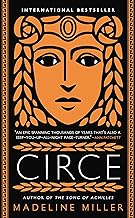
The name Circe has echoed through the ages, from Homer's ancient epics to the modern bestseller lists. Once a minor enchantress in the Odyssey, she has been reborn in the 21st century as a complex, powerful, and deeply human figure, thanks largely to the masterful storytelling of author Madeline Miller. This resurgence of interest in Circe speaks to a timeless fascination with mythology, magic, and the stories of women who defy their fates.
From Ancient Witch to Modern Heroine
In Greek mythology, Circe was the goddess of magic, known for turning Odysseus's men into swine on the island of Aeaea. For millennia, she was a symbol of dangerous, seductive feminine power. Madeline Miller's novel, simply titled CIRCE, flips this narrative. Miller gives voice to the witch herself, crafting a sweeping epic that follows Circe from her neglected childhood among the Titans to her self-imposed exile and ultimate self-discovery. It's a profound feminist retelling that explores themes of agency, loneliness, creativity, and resilience, transforming a villain into a relatable and inspiring heroine. The novel has rightfully earned its place as a modern classic and a frequent book of the year contender.
The Madeline Miller Universe: Circe and Beyond
Miller's journey into Greek mythology retelling began with the heart-wrenching and beautiful The Song of Achilles: A Novel (P.S.). This award-winning book reimagines the Trojan War through the passionate relationship between Achilles and Patroclus. Together, Circe and The Song of Achilles have captivated millions, making Miller a cornerstone of contemporary mythological fiction. For fans, the Circe and The Song of Achilles By Madeline Miller 2 Books Collection Set is the perfect way to own both seminal works. Their global appeal is evident in editions like the Circe [AdN] (Spanish Edition) and the German translation, Ich bin Circe: Roman, which bring her powerful narrative to wider audiences.
Circe's Sisters in Story: Clytemnestra and Other Retellings
The success of Circe has helped fuel a renaissance in feminist mythological novels. Characters once defined by the men in their stories are now claiming their own narratives. A prime example is the figure of Clytemnestra, Agamemnon's vengeful wife. New novels like Clytemnestra delve into her motivations and trauma, much like Miller did for Circe. Exploring these parallel stories, as discussed in blogs like Clytemnestra vs. Circe: A Feminist Retelling, enriches our understanding of the entire mythological tapestry. This trend extends to other genres, such as the enigmatic and labyrinthine world of Piranesi by Susanna Clarke, which, while not mythology, shares a similar sense of awe and mystery.
Modern Magic: Circe in Tarot, Ritual, and Study
The fascination with Circe transcends the page, inspiring artistic and spiritual exploration. The Circe Tarot deck, for instance, channels her mystical energy into a stunning tool for divination and introspection. A Circe Tarot Review would likely highlight its rich symbolism and connection to the goddess's lore. For those drawn to the practical side of her magic, The Little Book of Circe: Invocations and Prayers offers a guide to incorporating her essence into modern goddess worship and practice. Meanwhile, readers and book club members can deepen their analysis with resources like the Study Guide for Book Clubs: Circe, which provides discussion questions and literary analysis to unpack the novel's many layers.
The story of Circe is no longer confined to ancient scrolls. Through Madeline Miller's brilliant novel and the myriad of products, discussions, and artistic works it has inspired—from book reviews and audiobooks to tarot decks and study guides—Circe continues to enchant. She stands as a powerful testament to the enduring power of myth and the importance of retelling old stories with new, empathetic eyes. Whether you're encountering her for the first time or returning to her island, the journey promises magic, transformation, and profound insight.